Candlestick Data Integration & Chart Analysis
Explore the technical architecture behind Gaerses' real-time market visualization engine. This deep dive covers JSON feed parsing, websocket latency optimization, and the mathematical correlation between volatility data and visual representation.
Core Architecture
Integration is strictly vector-based. We eliminate raster dependencies to maintain zero-latency rendering. This approach allows for scalable resolutions without performance degradation, ensuring that our charts remain crisp and responsive across all device types.
engine.parse(feed, { interval: 500, type: 'vector' });
Hover/Click for Engine Specs
Visual Data Architecture
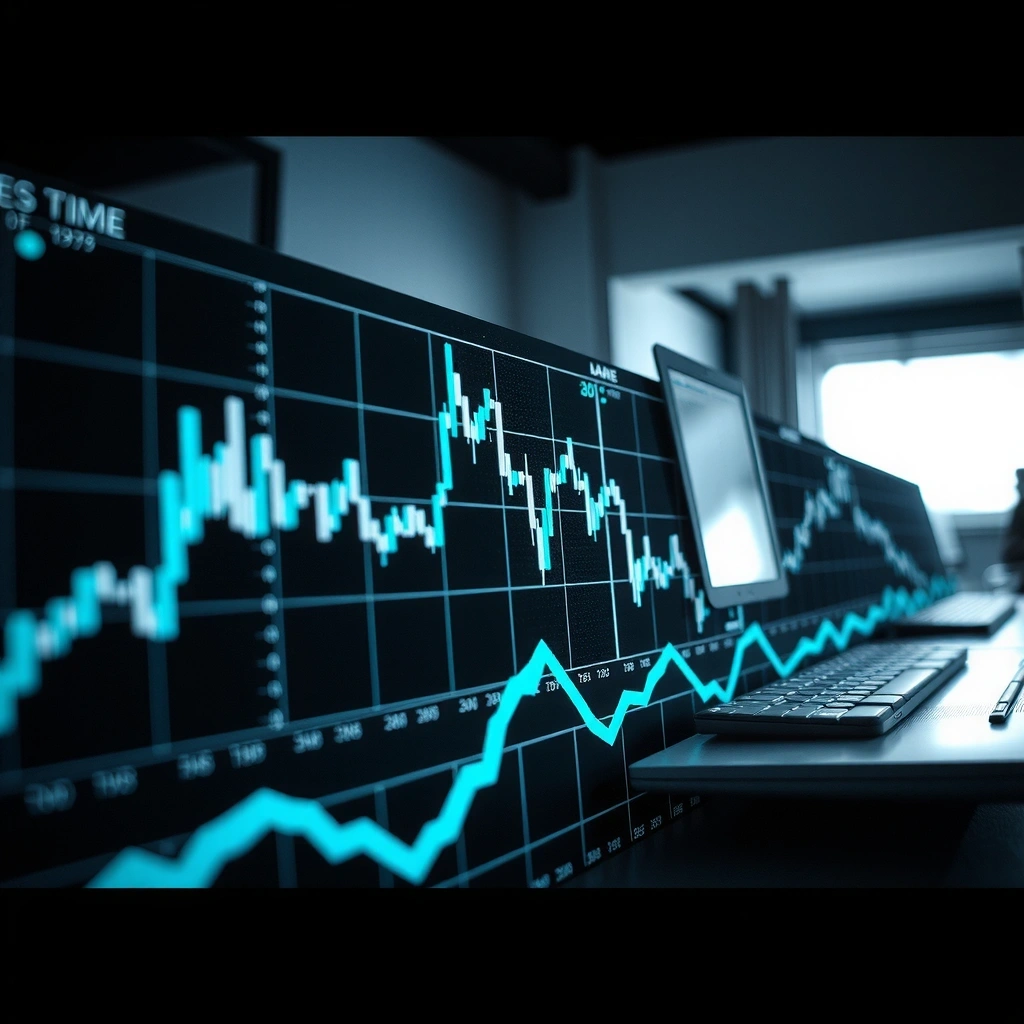
Volatility Snapshots
A snapshot of the engine reading real-time volatility, mapping price action to vector coordinates.

Procedural Interface
Form follows function. The interface creates zones based on data density, not predefined layouts.
"Efficiency is the ultimate aesthetic." — Gaerses Engineering Philosophy
Algorithmic Market Correlations
Bullish Expansion Phases
During sustained upward trends, the engine detects momentum via RSI thresholds. This unlocks "Expansion" phases where visual elements broaden and spawn new interactive vectors. It's a direct translation of buying pressure into visual growth.
- RSI > 70 triggers spawn rate increase
- Volume spike expands field of view
- Positive divergence unlocks color gamut
Bearish Contraction Defense
Conversely, bearish indicators trigger defensive mechanics. The "Contraction" phase simplifies visuals to reduce cognitive load, focusing user attention on critical resistance levels. We correlate RSI sell signals directly with enemy spawn rates to create a predictive loop.
- MACD crossover reduces visual noise
- Defensive patterns emerge at support lines
- Latency compensation for rapid downturns
Integration Workflow
Define Data Schema
Establish strict JSON parsing rules. We validate incoming feeds against a predefined schema to ensure 100% uptime, rejecting malformed packets instantly to prevent engine crashes.
Map to Physics Engine
Convert numerical values (Open, High, Low, Close) into physics parameters. Price delta affects velocity; volume affects mass. This creates a tactile feeling of market weight.
Render Vector Layer
The canvas draws the frame based on the updated physics state. Using WebGL context, we maintain 60fps even during high volatility events by offloading calculations to the GPU.
User Feedback Loop
Analyze interaction patterns to fine-tune sensitivity. If users consistently miss signals, the engine dynamically adjusts contrast or motion speed to optimize readability.
Performance Benchmarks
Average time from data ingestion to pixel output
Maintained over 30 days of continuous uptime
Scalable vector architecture stress test results
Developer Note
"Our strict vector-only policy means we bypass the heavy lifting of DOM manipulation. By treating the market as a continuous stream of mathematical coordinates, we achieve rendering speeds that traditional HTML/CSS simply cannot match."
— Gaerses Lead Architect
Compliance & Privacy
All data processing occurs on the client side. No market data is stored on our servers, ensuring total privacy and compliance with GDPR standards. See our Privacy Policy for details on data handling.